From Community Practice to Academic Evidence: Jennifer’s MPH Thesis Strengthens Community-Based HIV Testing
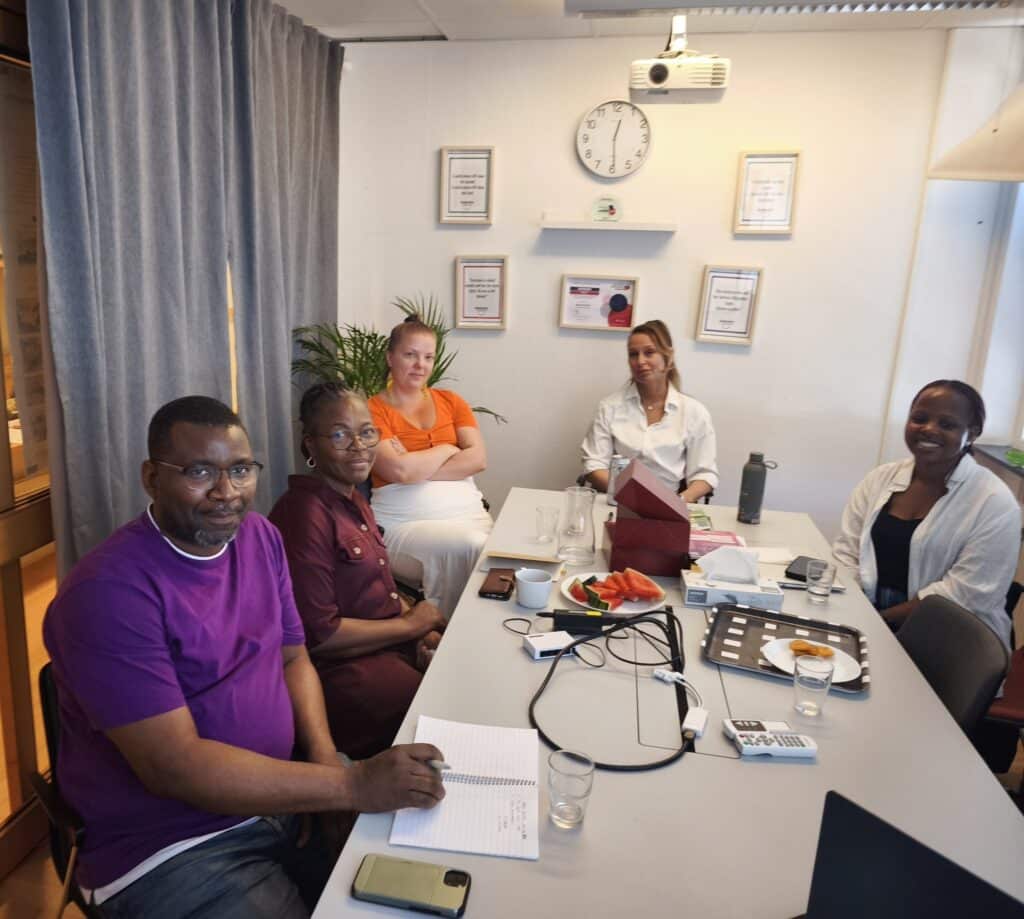
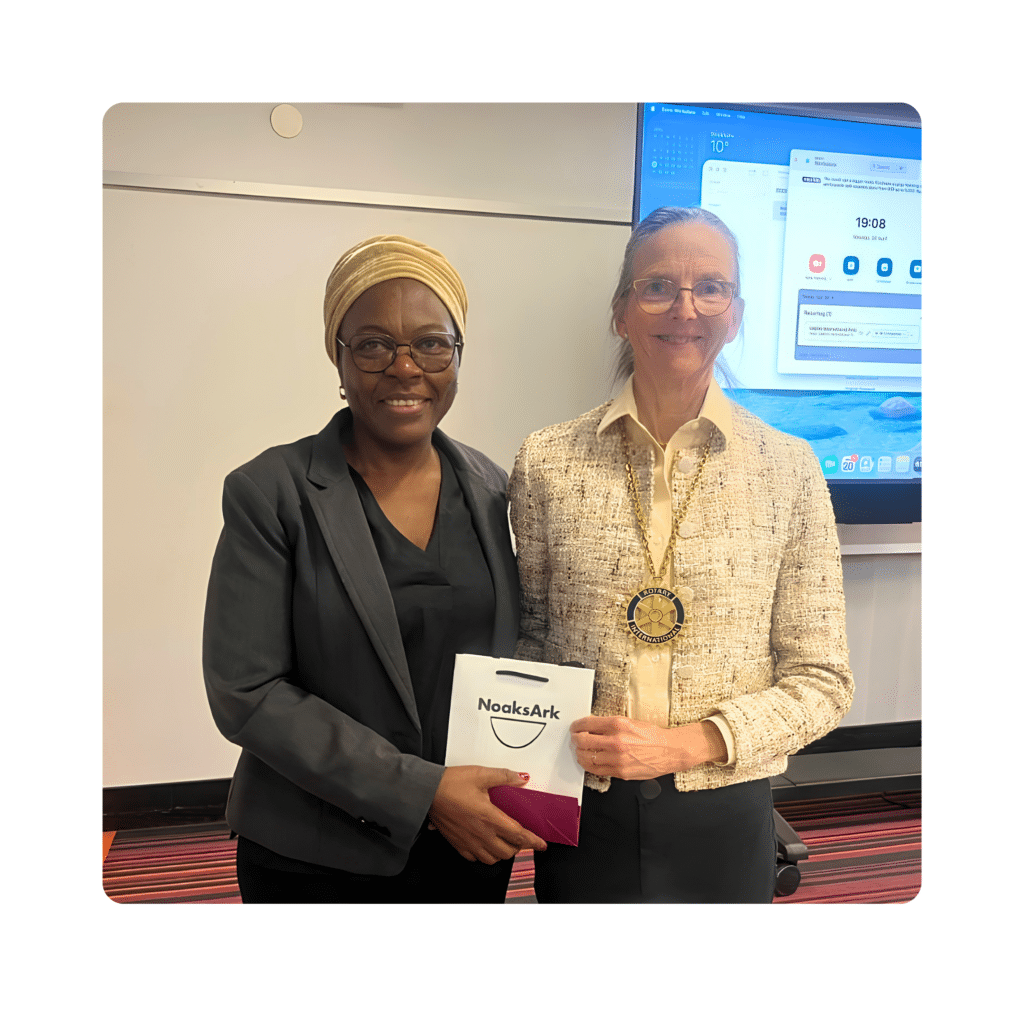
Noaks Ark Mosaik is proud to celebrate the successful completion and defence of Jennifer’s (Jennifer Anna Margarita Mutén) Masters thesis in Public Health at Lund University. After spending several months with our team as a thesis student and peer worker, Jennifer recently returned to our office to present her findings and share reflections with staff.
Her study, “A Qualitative Content Analysis on the Disclosure of Health Information in a Community-Based Testing Setting,” explored an important but often overlooked aspect of HIV prevention and care: how client-facing staff experience the disclosure of health information among people with migrant backgrounds during HIV and STI testing.
The research was inspired by a real-world public health challenge. In Sweden, around two-thirds of people living with HIV are born outside the country, highlighting the need for culturally sensitive and accessible sexual health services. Through qualitative interviews with staff at Noaks Ark Mosaik, the study examined barriers such as stigma, confidentiality concerns, trust, and health literacy, and how these factors influence the information clients feel comfortable sharing during testing and counselling.
This collaboration demonstrates the value of community-based organizations as both service providers and knowledge generators. By transforming everyday experiences from our testing services into scientific evidence, the project contributes to improving intake procedures, staff training, and culturally responsive approaches to care.
Jennifer’s work also aligns closely with the Swedish Public Health Agency’s roadmap for Sexual and Reproductive Health and Rights (SRHR), particularly its focus on health equity, person-centred care, and reducing barriers to sexual health services for underserved populations.
At Noaks Ark Mosaik, we believe that strong partnerships between communities and academia create measurable public health impact. Jennifer’s thesis is an excellent example of how community-based project design and academic collaboration can generate evidence that informs practice, strengthens services, and contributes to a more inclusive and equitable health system.
We warmly congratulate Jennifer on this remarkable achievement and thank her for helping amplify the voices and experiences that shape our work every day.