AIDS 2026: From innovation to access, communities must be at the centre!
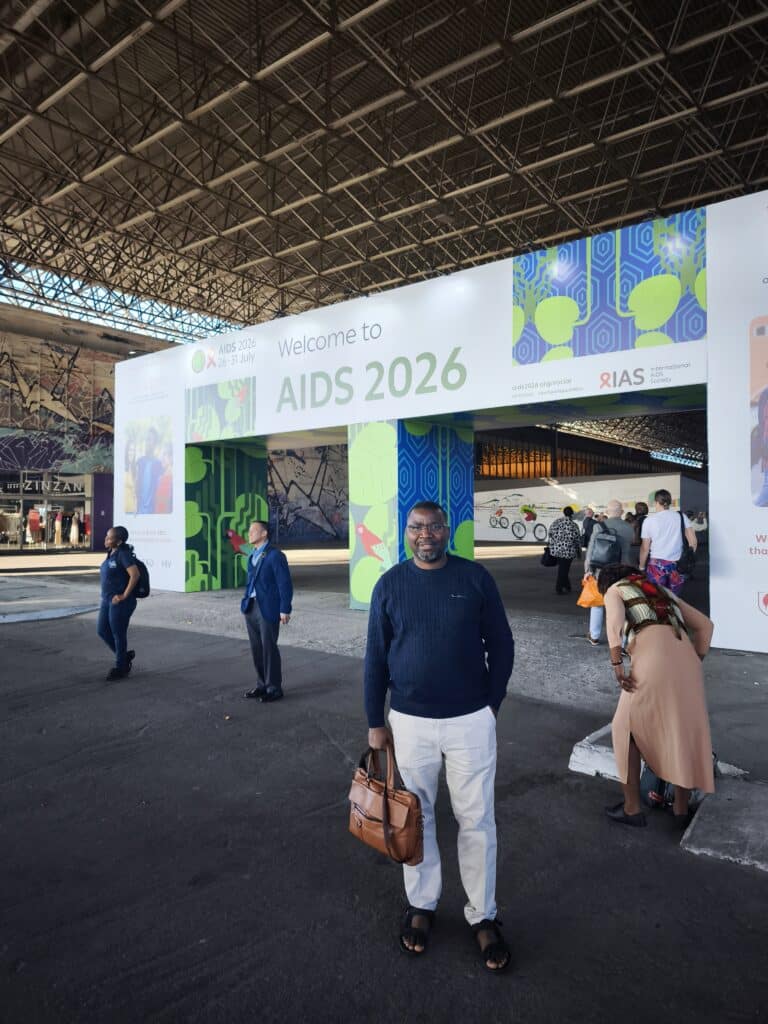
The just concluded 26th International AIDS Conference (AIDS2026) in Rio de Janeiro brought together researchers, policymakers, healthcare professionals, activists and community organisations around a critical question: how do we turn HIV innovation and evidence into meaningful access for the people who need it most?
For Noaks Ark Mosaik, one message stood out clearly: communities must be at the centre of the HIV response.
At AIDS2026, Noaks Ark Mosaik shared its experience from Sweden of community-led approaches to improving access to HIV testing among migrants, highlighting the importance of person-centred care, trusted community engagement and accessible pathways into health services.
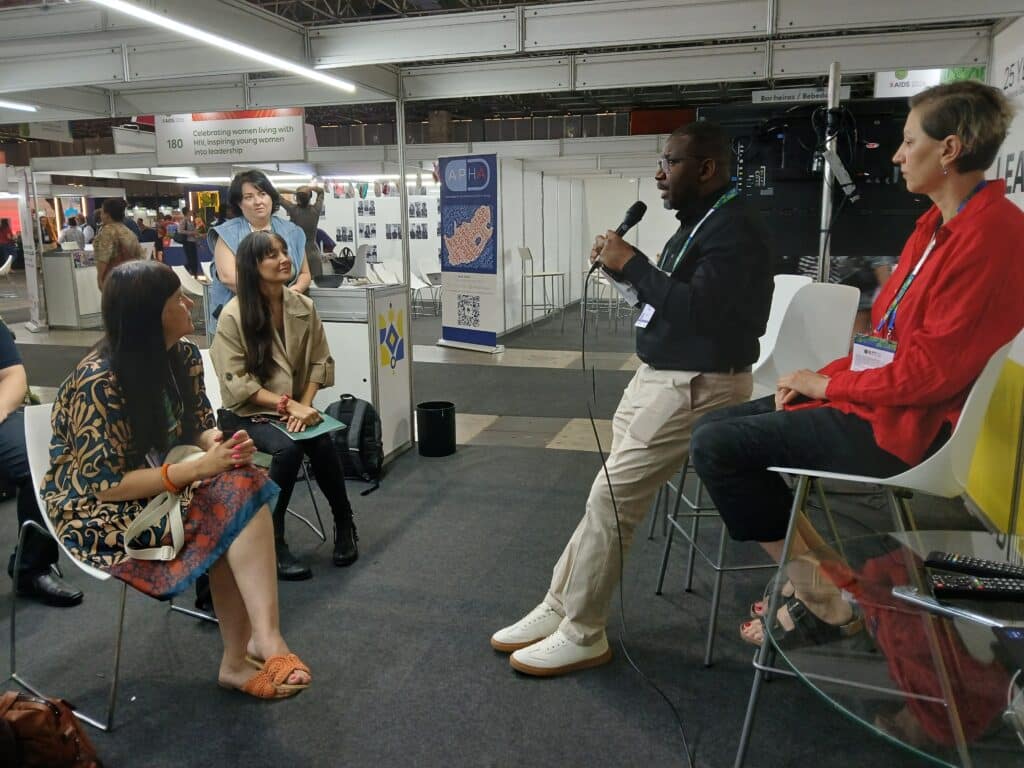
Our experience was presented as part of the session “Community-based organisations ensuring continuity of HIV treatment among migrants and refugees,” organised through the Regional Expert Group on Migration and Health in Eastern Europe and Central Asia (https://migrationhealth.group/en/category/news-en/). The session brought together community experiences from Europe, Asia and South America and demonstrated how community organisations can help people navigate health systems, maintain continuity of care across borders and build trust through peer support.
The session was moderated by Daniel Kashnitsky (https://sshiftb.org/people/daniel-kashnitsky/) and Marina Chokheli (https://ge.linkedin.com/in/marina-chokheli-5504b9105), with co-organisers and partners including the Alliance for Public Health (https://www.linkedin.com/company/alliance-for-public-health/), 100% LIFE (https://network.org.ua/en/about/), Cermes3 laboratory in France (https://icca.univ-paris13.fr/les-equipes-partenaires/cermes3/) and the #iSoS project (https://isos.aph.org.ua/project/). Speakers shared practical experiences ranging from sustaining community solidarity during crises to supporting migrant workers and addressing healthcare barriers faced by Ukrainian refugees.
These experiences strongly resonate with the work of Noaks Ark Mosaik in Malmö. Community-led testing, person-centred care and trusted navigation can help bridge the gap between health systems and the communities they are designed to serve.
AIDS2026 also placed significant attention on the potential of long-acting HIV prevention, including lenacapavir. The scientific progress is remarkable, but the discussions in Rio also reinforced a fundamental public-health principle: innovation only creates impact when people can access it.
This matters for Sweden.
As Sweden continues to strengthen its HIV, hepatitis and SRHR response, there is an opportunity to invest further in community-led, culturally responsive and integrated approaches to prevention, testing and care. For migrants and other communities experiencing barriers to healthcare, trusted organisations can play a vital role in connecting people with information, testing, prevention and treatment.
Digital tools, web-based navigation and emerging AI-supported approaches can further complement this work, but technology should support, rather than replace, the human relationships that build trust.
The message from Rio is simple: innovation is powerful, but access makes it meaningful.
For policymakers, funders and the SRHR community in Sweden, this means investing not only in new technologies and treatments, but also in the community infrastructure, partnerships and navigation systems that enable those innovations to reach people.
At Noaks Ark Mosaik, we believe communities are not simply recipients of healthcare. They are partners in creating a more equitable HIV response.
From Rio de Janeiro to Malmö, the work continues.