Interview- From Global Insights to Local Action: Abimbola Ajomale
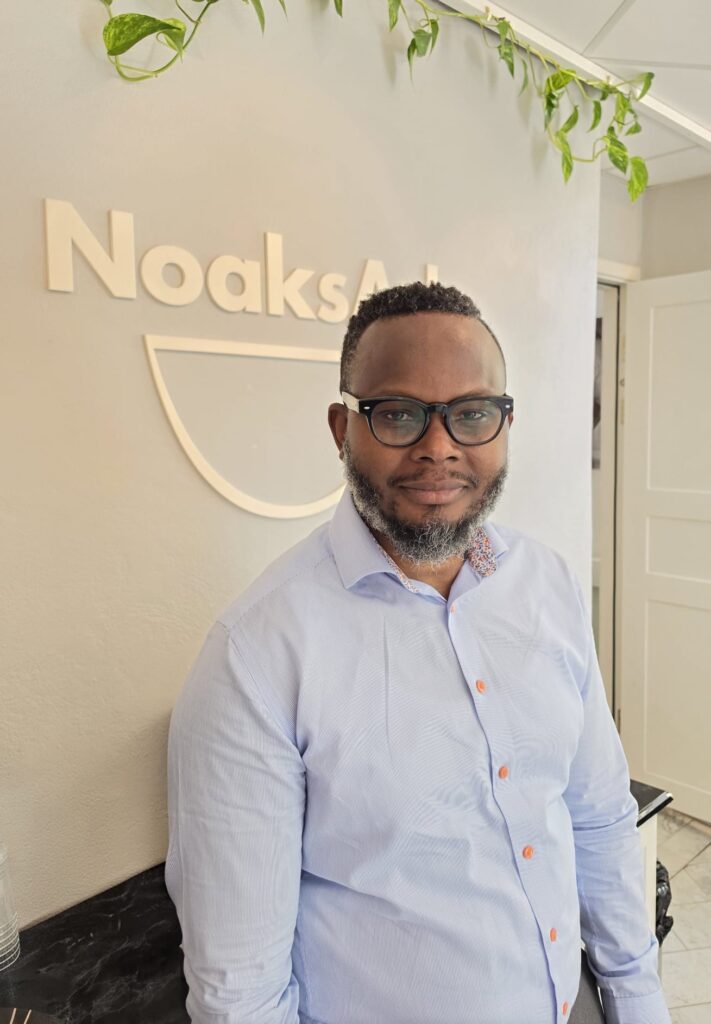
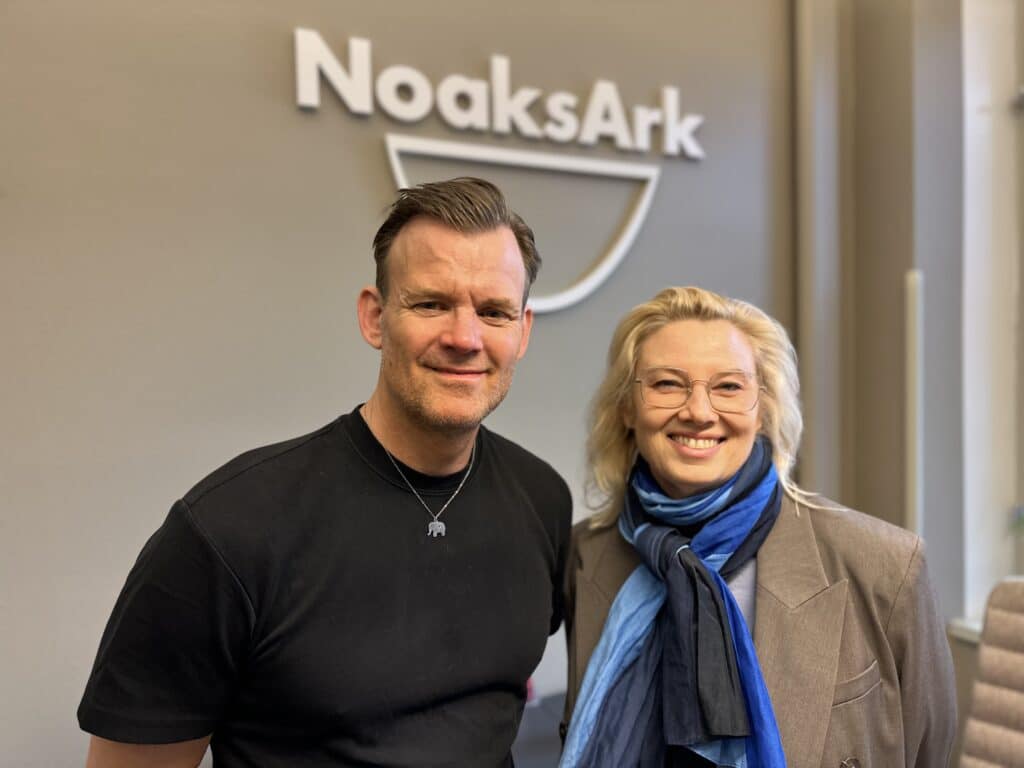
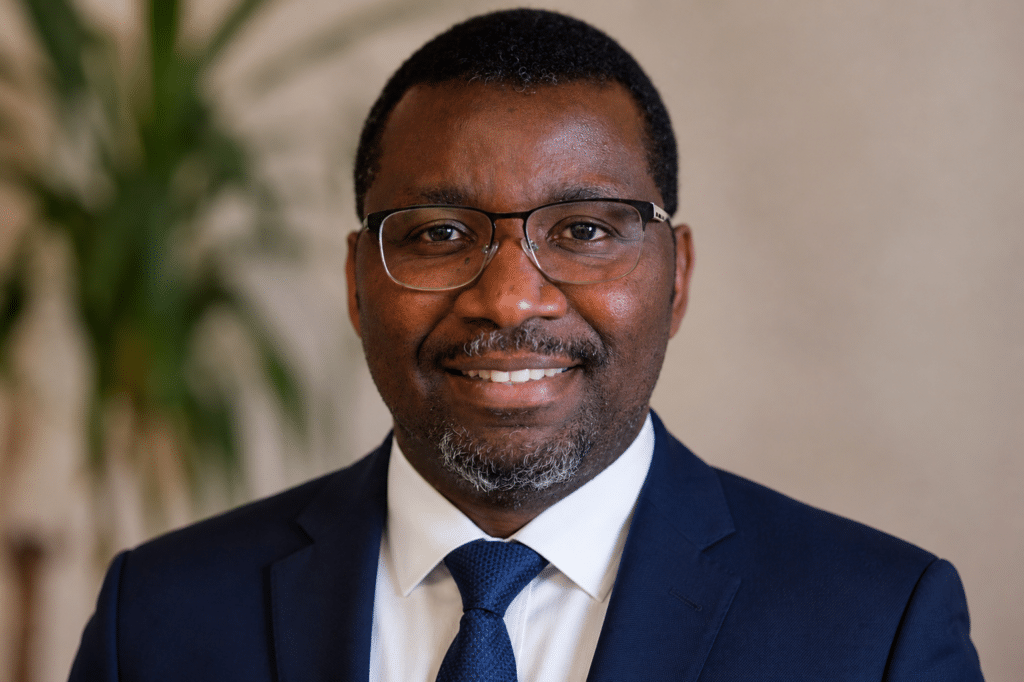
We asked Abimbola Ajomale, Project Leader and Community Health Specialist at Noaks Ark Mosaik in Malmö, to share his most important lessons from AIDS 2026 in Rio de Janeiro and what he is bringing back to his work with migrants and communities in Malmö.
From Rio to Malmö: What AIDS 2026 taught me about the future of HIV
AIDS 2026 was my second International AIDS Conference, after Munich that I attended physically. This time, I travelled to Rio de Janeiro, Brazil, where the tropical atmosphere, the energy of the city and the diversity of the conference created an unforgettable experience. This trip was made possible by the International Aids Society’s (IAS) grant which I am grateful for. The paucity of funds and the new regulation from our biggest funder; Folkhälsomyndigheten on the restriction of using such funds for international travels or conferences would have made it impossible.
The conference was well organised and brought together researchers, healthcare professionals, policymakers, activists, community organisations and people with lived experience of HIV from different parts of the world. What stood out to me was the strong representation of communities. People were not simply present as observers. They were speaking, presenting, challenging, creating and shaping the conversation. For me, this was one of the most important messages from Rio: communities must lead, not only participate.
Speaking truth to power
One moment that stayed with me was hearing the Brazilian Minister of Health openly criticise Gilead in relation to access to lenacapavir. The discussion raised important questions about who benefits from medical innovation, who is included in access agreements, and whether the people and countries contributing to clinical research are also able to benefit from the results. I was struck by the boldness of speaking truth to power.
Scientific progress is important, but innovation alone does not end inequalities. A new prevention or treatment option can only make a meaningful difference when people can access it, afford it, trust it and use it within a supportive healthcare system. This is why the theme of AIDS 2026, “Rethink. Rebuild. Rise,” felt so relevant. We must rethink how services are designed, rebuild trust where it has been lost, and rise together with the communities most affected by HIV.
The Global Village: humanity beyond the conference rooms
The Global Village was one of the most powerful parts of the conference. It was filled with drama, performances, personal stories, clothing, beads, innovations and different forms of expression. It was a space where science met culture, and where people could communicate not only through presentations but also through art, storytelling and lived experience. I heard personal stories of persecution, exclusion and discrimination affecting key populations. I also heard stories of courage, perseverance and resilience.
These stories reminded me that HIV is not only a medical issue. It is also about dignity, justice, belonging and the right to live without fear. The future of HIV must therefore be built on humanity and justice. Without these principles, our efforts risk becoming focused on numbers while forgetting the people behind them.
Bringing Malmö to Rio
On July 27 in Rio, I had the opportunity to represent Noaks Ark Mosaik at the Global Village workshop, speaking to the topic; “Building Community Networks for Sustained HIV Care Among Migrants and Refugees.” Together with partners from Poland, Germany, Tajikistan and Chile, we shared practical experiences of community-based and cross-border approaches to HIV prevention, testing, treatment and integrated care for migrants and refugees. This partnership was made possible by our collaboration under the just concluded Swedish Institute’s (SI) seed grant with our Ukrainian, German and Polish partners.
I presented the experience of Noaks Ark Mosaik in Malmö, where we work to improve access to HIV testing among migrant communities through trust-building, peer engagement, multilingual communication, culturally adapted outreach and collaboration with community organisations. Our presentation focused on a simple but important reality: the first barrier to HIV testing is often not the test itself but reaching the person who needs it. Sweden has accessible HIV services, but accessibility does not always mean equity. Some people still face barriers related to migration, language, stigma, cultural misunderstandings and limited trust in public institutions. On the other hand, community-based testing helps bring services closer to people. Faith communities, cultural networks, SFI schools, community organisations and cultural events can become important entry points for health information and support. Peer workers also play a crucial role. They help people understand the healthcare system, navigate services and feel less alone when seeking care.
At Noaks Ark Mosaik, we see communities as partners, not simply recipients of services. Our role is to build bridges between people and healthcare systems as part of our core mandate to strengthen the Swedish Sexual Reproductive Health and Right goals.
Migrants and refugees need continuity of care
One of the strongest lessons from Rio was the importance of continuity of care for mobile populations. Migrants and refugees may move between cities or countries, experience changes in residence status, lose access to familiar healthcare providers or face difficulties transferring medical information. HIV prevention, testing and treatment must therefore be designed with mobility in mind.
A person should not lose access to care simply because they cross a border. This requires cooperation between healthcare systems, community organisations and countries. It also requires services that are culturally competent, flexible and based on trust. We must also challenge the language of “hard-to-reach populations.” Often, people are not hard to reach. Instead, existing services may be difficult to access, unfamiliar or not designed with their realities in mind. The question should not only be, “Why are people not coming to our services?” We should also ask, “What can we change so that our services become easier, safer and more welcoming?”
A future where people are truly at the centre
One experience that inspired me was meeting a team of trans people from India who presented an AI-based model supporting key populations to navigate sexual and reproductive health services. Their work showed how innovation can be used to respond to real community needs. However, technology must support human relationships, not replace them. Digital tools and AI can improve navigation and access to information, but trust is still built through people, listening and respectful engagement.
As a migrant physician and community health specialist with over 17 years of experience in the field, I am motivated by the opportunity to use my medical training and public health expertise to support migrants, mobile populations, key populations and the wider community in Sweden. I remain committed to this work because it puts smiles on people’s faces and supports people who may not always have the agency or confidence to navigate systems alone. When I think about the next five to ten years, I hope to see a Sweden where cultural competence, fairness and justice play a stronger role in healthcare access. I hope to see people seeking HIV prevention, testing and treatment without fear of judgement, discrimination or exclusion.
The message I bring back from Rio is clear: Put people at the centre. Build with communities, not only for communities. Make innovation accessible. Protect dignity and ensure that nobody is left behind.
From Rio de Janeiro to Malmö, the work continues.
Abimbola Ajomale (Project Leader/Community Health Specialist) Noaks Ark Mosaik